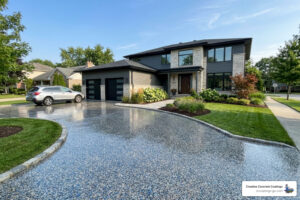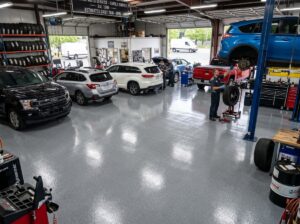
Top Rated Garage Concrete Floor Sealers for a Pro Finish
Key Advantages of Using an Epoxy Sealer for Concrete
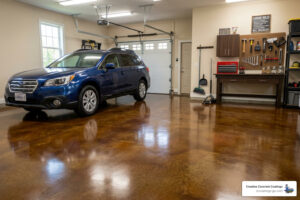
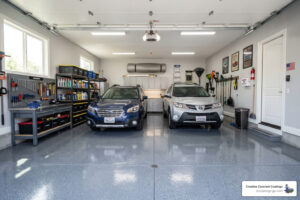
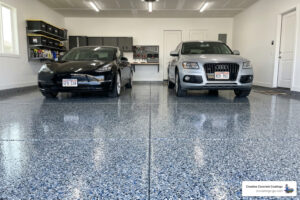
When we talk about an epoxy sealer for concrete, we aren’t just talking about a coat of paint. We are talking about a chemical transformation of your floor. Unlike standard acrylic sealers that sit thinly on the surface, epoxy creates a high-build protective shield that bonds deep into the concrete pores.
One of the standout benefits is the incredible abrasion resistance. In high-traffic areas like garages in Monroe or Suwanee, your floor faces constant friction from tires and foot traffic. A high-quality epoxy system, particularly those with 100% solids, provides the impact strength needed to prevent chipping and cracking.
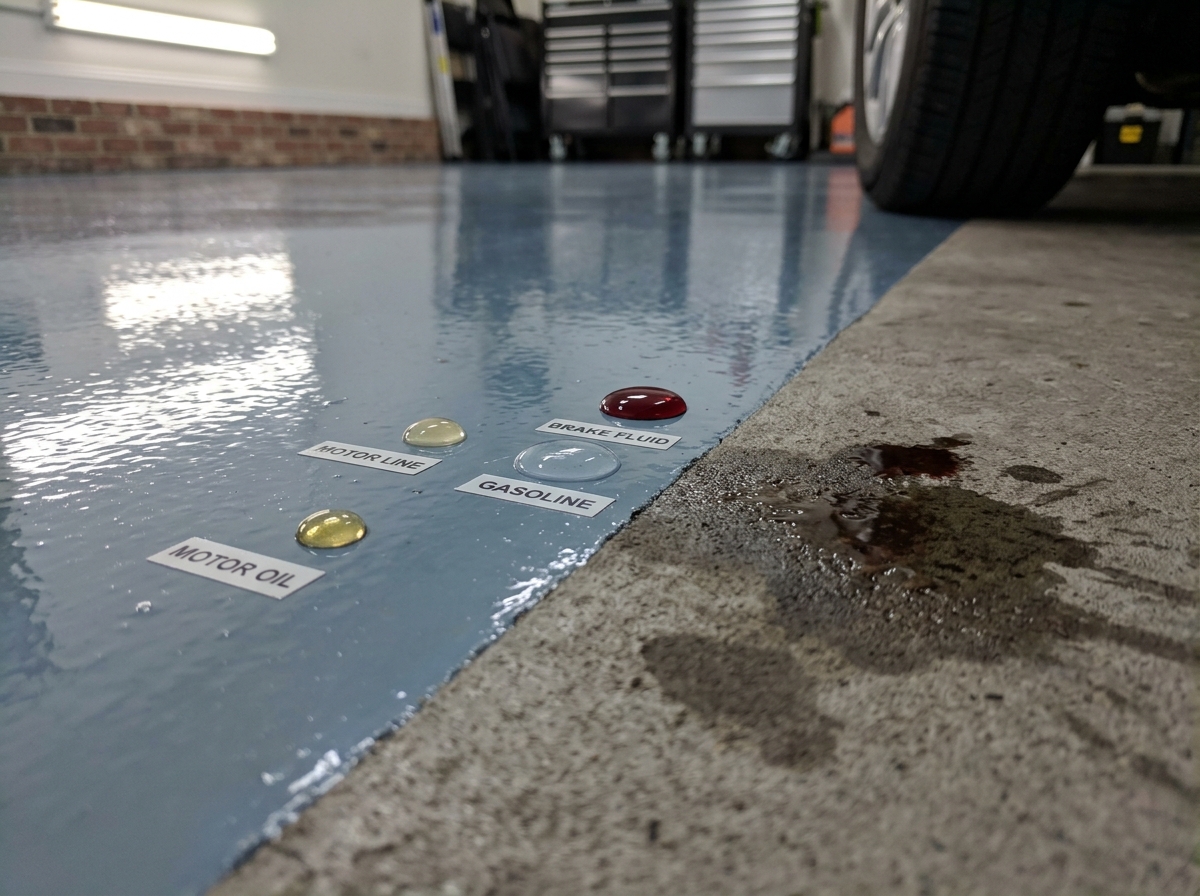
Chemical protection is another heavy hitter. In our experience, garage floors are magnets for oil, gasoline, and brake fluid. An epoxy sealer for concrete acts as a repellent, preventing these substances from soaking into the porous concrete and causing permanent staining. This is why many industrial-grade sealers, like Devcon, are even approved for use in meat and poultry plants—they can withstand harsh cleaning chemicals and organic acids without breaking down.
Furthermore, epoxy sealers are the ultimate solution for “dusting.” If you’ve ever noticed a fine white powder on your garage floor that seems to track into the house, that’s your concrete slowly breaking down. Epoxy encapsulates the surface, eliminating dust entirely. For a deeper dive into how these coatings transform your space, check out our Get Your Shine On with This Epoxy Floor Painting Guide.
Types of Epoxy Formulations and Performance Standards
Not all epoxies are created equal. Choosing the right “flavor” of epoxy depends on your specific environment and how much “work” the floor needs to do.
| Feature | 100% Solids Epoxy | Water-Based Epoxy | One-Part Epoxy |
|---|---|---|---|
| Durability | Extreme / Industrial | Moderate / Residential | Light / Decorative |
| VOC Level | Low to Zero | Very Low | Low |
| Thickness | High-build (10+ mils) | Thin-film (3-5 mils) | Thin-film |
| Best Use | Heavy traffic, warehouses | Basements, DIY garages | Moisture mitigation, light foot traffic |
100% Solids vs. Water-Based
A 100% solids epoxy contains no evaporated solvents. What you spread on the floor is what stays there once it cures. This results in a much thicker, more durable film. Water-based versions, like Ghostshield Epoxy 325, are often easier to apply and have lower odors, making them great for interior residential projects in Alpharetta or Johns Creek. Ghostshield 325, for instance, boasts 53% solids, offering a fantastic balance of ease-of-use and chemical resistance. You can find more technical details in the Ghostshield Commercial Line Brochure.
Two-Part Systems vs. One-Part Sealers
Most professional-grade epoxy sealer for concrete products are two-part systems (Part A Resin and Part B Hardener). When mixed, a chemical reaction occurs that creates a bond strength often exceeding 1,000 psi—meaning the concrete will actually break before the epoxy let’s go. One-part sealers, like SealGreen E10, are technically “pre-catalyzed” and are excellent for humidity mitigation and light-duty sealing without the pressure of a ticking “pot life” clock.
Selecting the Best Epoxy Sealer for Concrete Projects
When we help homeowners in Loganville or Lawrenceville choose a sealer, we look at three main factors:
- Indoor vs. Outdoor: Epoxies are generally best for indoor use. They are incredibly tough but can “chalk” or yellow if exposed to direct, constant UV sunlight. For outdoor areas like pool decks, we often recommend a UV-stable topcoat over the epoxy.
- Traffic Volume: For a warehouse in Buford with forklifts, a high-build 100% solids system is non-negotiable. For a basement in Braselton, a water-based vapor barrier might be plenty.
- Safety: Always consider non-slip additives. A high-gloss epoxy can be slippery when wet, so broadcasting a bit of slip-resistant additive into the final coat is a pro move we always recommend.
Professional Surface Preparation and Application Steps
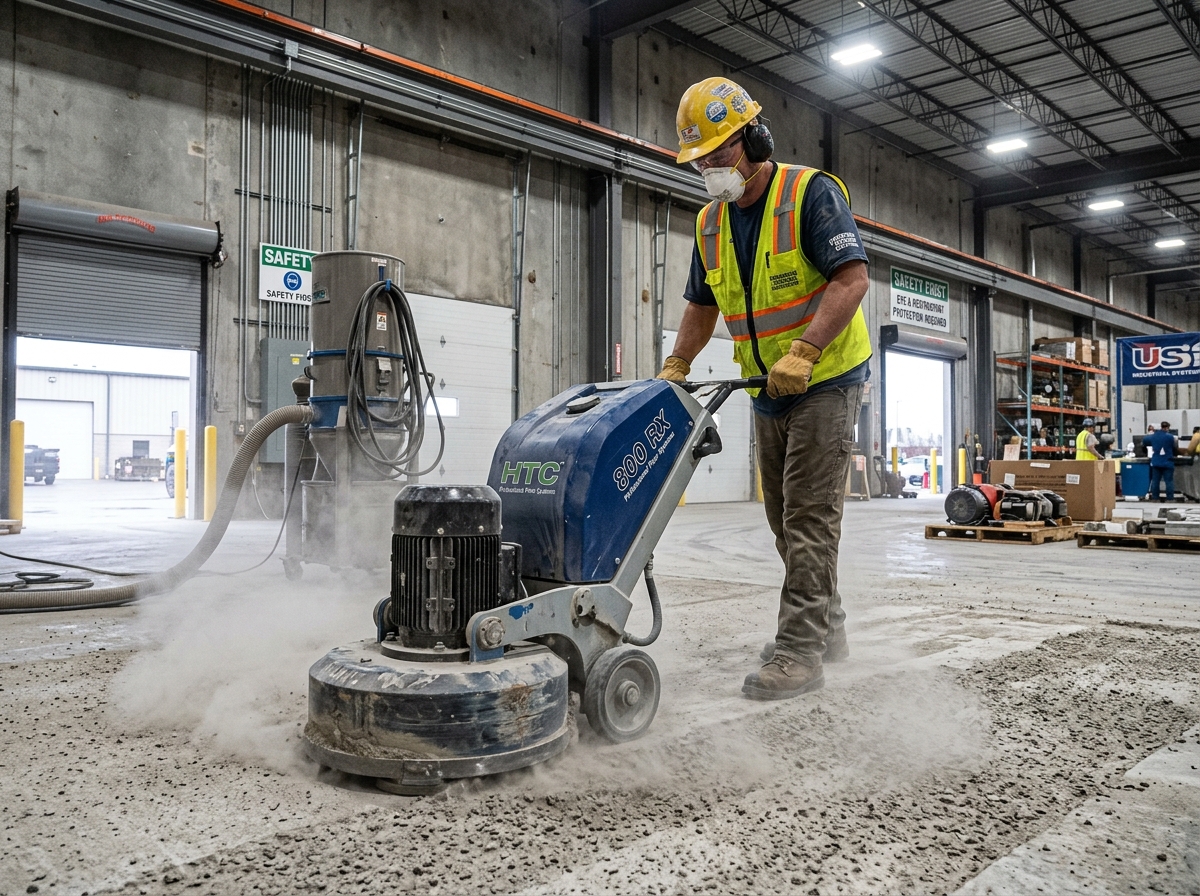
If you skip the prep, you’re just planning for a failure. We’ve seen many DIY jobs peel up because the concrete wasn’t ready to receive the coating. Epoxy needs a “profile”—a rough texture similar to 100-grit sandpaper—to grab onto.
The Preparation Process
- Contaminant Removal: All oil, grease, and old paint must go. We use heavy-duty degreasers or mechanical grinding to ensure the slab is “squeaky” clean.
- Mechanical Scarification: This is the gold standard. Using a diamond grinder creates a CSP (Concrete Surface Profile) of #2 or #3. This opens the “pores” of the concrete so the epoxy sealer for concrete can sink in.
- Acid Etching: If grinding isn’t an option, acid etching with phosphoric or muriatic acid can work. However, you must neutralize the floor afterward to a pH of 7 and let it dry completely.
- Moisture Testing: This is critical. We use the “plastic sheet method”—taping a 4’x4′ piece of plastic to the floor for 24 hours. If there’s condensation under the plastic the next day, you have a moisture issue that requires a specialized vapor barrier like Planiseal MB.
For more tips on getting that perfect surface, read The Best Garage Floor Epoxy to Make Your Neighbors Jealous.
How to Apply an Epoxy Sealer for Concrete Like a Pro
Once the floor is prepped and bone-dry (usually less than 4% moisture content), it’s time to mix. Always follow the specific mixing ratios on the Safety Data Sheet Epoxy 325.
We recommend a “ribbon and roll” method. Pour the mixed epoxy in ribbons across the floor, spread it with a notched squeegee to ensure even thickness, and then “back-roll” with a 3/8-inch nap shedless microfiber roller. This helps maintain a “wet edge” and prevents visible roller marks. Watch out for “outgassing”—tiny bubbles that appear as air escapes the concrete. If you see them, a quick pass with the roller while the epoxy is still wet usually settles them down.
Moisture Mitigation and Maintenance for Longevity
Moisture is the silent killer of concrete floors. In Georgia, our red clay and high humidity mean basements are constantly under siege. As mentioned earlier, an average basement can pass 10-15 gallons of water through the slab daily. This hydrostatic pressure can literally “push” a standard coating right off the floor.
Using a moisture-mitigation epoxy sealer for concrete like Planiseal MB can handle up to 25 lbs of MVER (Moisture Vapor Emission Rate) and 100% relative humidity. These products are engineered to withstand extreme alkalinity (up to pH 14), which often accompanies moisture. This is vital for preventing mold and efflorescence (that white, crusty salt buildup). For a deep dive into basement-specific needs, check out The Ultimate Guide to Choosing the Best Basement Floor Coating.

Keeping It Clean
Maintaining your new floor is surprisingly easy. For routine cleaning, a soft broom or a damp microfiber mop with a pH-neutral cleaner is all you need. Avoid harsh acidic cleaners, which can dull the gloss over time. If you have a spill, the epoxy’s non-porous surface means you can usually just wipe it up with a damp cloth without leaving a stain.
Frequently Asked Questions
How long does it take for epoxy sealer to cure?
Most epoxies are “tack-free” within 5 to 8 hours. You can usually walk on the floor in socks after 24 hours. However, “full cure”—the point where the coating reaches its maximum hardness and chemical resistance—typically takes 7 days. We always tell our clients in Athens and Watkinsville to wait at least 72 hours before parking a heavy vehicle on the new surface to avoid “hot tire pick-up.”
Can epoxy sealers be used on damp concrete?
Standard epoxies hate water. However, specialized “moisture-insensitive” primers, like those from Devcon or Armor Epoxy, can be applied to damp concrete as long as there is no standing water or a continuous active leak. These act as a primer system to bridge the gap between a damp slab and a dry topcoat.
What is the coverage rate for a standard epoxy kit?
Coverage depends on the porosity of your concrete. On a smooth, power-troweled floor, a gallon might cover 200-250 square feet. On a rough, “thirsty” slab, that might drop to 150 square feet. For a standard 2-gallon kit, expect to cover about 400-500 square feet for a single coat at a dry film thickness of about 8-10 mils.
Conclusion
Whether you are looking to protect a hard-working garage in Monroe or a high-moisture basement in Dacula, choosing the right epoxy sealer for concrete is the foundation of a successful project. With over 25 years of experience and more than 455,000 square feet installed, we’ve seen how a professional-grade epoxy system can add durability, safety, and beauty to a home.
At Creative Concrete Coatings, we take pride in doing the job right the first time—from precision diamond grinding to selecting the perfect industrial-strength formula for your needs. If you’re ready to stop worrying about stains and moisture and start enjoying a “pro finish” floor, we’re here to help.
Visit us at https://cccoatings-ga.com/ to learn more or schedule a consultation for your next project in Monroe, Suwanee, or anywhere across our Georgia service areas. Let’s build something that lasts!